
Author: Dr. Folake Aderibigbe

  • Tired and Bloated? 5 Science-Backed Fruits to Reset Your Gut Health

    Tired and Bloated? 5 Science-Backed Fruits to Reset Your Gut Health

    Persistent fatigue, digestive sluggishness, and frequent seasonal bugs often trace back to chronic inflammation, poor gut motility, and nutrient deficiencies. While lifestyle factors like sleep and stress play major roles, incorporating specific nutrient-dense fruits into a daily diet provides targeted compound support to reset digestive health and strengthen immune defenses.

    Health experts highlight five fruits backed by clinical research that help combat systemic fatigue, ease bloating, and bolster long-term vitality.

    1. Papaya

    Papaya contains papain, a unique proteolytic enzyme that actively breaks down complex proteins in the digestive tract. This reduces post-meal heaviness, bloating, and indigestion.

    Rich in vitamins A, C, and E, papaya supports the mucosal lining of the gut while neutralizing systemic free radicals. According to research compiled by ManipalCigna Health Insurance, the fruit’s high fiber content promotes regular bowel motility and fosters a balanced gut microbiome, which directly influences daily energy levels and immune resilience.

    2. Blueberries

    Often classified as a functional superfood, blueberries derive their deep blue color from anthocyanins—potent flavonoid antioxidants with established anti-inflammatory properties.

    Studies highlighted by Medical News Today demonstrate that polyphenols in blueberries help reduce systemic oxidative stress and lower circulating inflammatory markers. By mitigating low-grade cellular inflammation, blueberries help counter persistent physical fatigue while supporting vascular and cognitive health.

    3. Oranges and Citrus Fruits

    Citrus fruits like oranges, lemons, and grapefruits deliver concentrated doses of vitamin C, essential for white blood cell production and immune defense.

    Beyond immunity, citrus fruits contain high concentrations of soluble fiber (pectin) and organic acids. Clinical insights published by the Cleveland Clinic show that soluble fiber nourishes beneficial gut bacteria, while vitamin C enhances non-heme iron absorption from plant foods, directly addressing a primary dietary root cause of unexplained fatigue.

    4. Kiwifruit

    Kiwifruit is one of the most dense sources of vitamin C and dietary fiber available, containing the natural enzyme actinidin. Actinidin speeds up gastric emptying and aids protein digestion in the upper gastrointestinal tract.

    Regular kiwi consumption improves stool consistency and reduces transit time in individuals suffering from sluggish digestion. Its combination of prebiotic fiber and micronutrients strengthens gut-barrier function, preventing foreign pathogens from triggering low-level immune responses that drain daily energy.

    5. Apples

    Apples provide a rich source of quercetin, a plant flavonoid known for its anti-inflammatory and natural antihistamine effects, alongside significant amounts of pectin.

    Pectin acts as a prebiotic fiber, passing through the upper digestive tract to feed beneficial Bifidobacteria and Lactobacilli in the colon. As these bacteria ferment pectin, they produce short-chain fatty acids like butyrate, which fuel the gut lining, lower systemic inflammation, and support stable metabolic energy.
  • WHO Warns DRC Ebola Outbreak Far From Control as Cases Pass 5,000

    WHO Warns DRC Ebola Outbreak Far From Control as Cases Pass 5,000

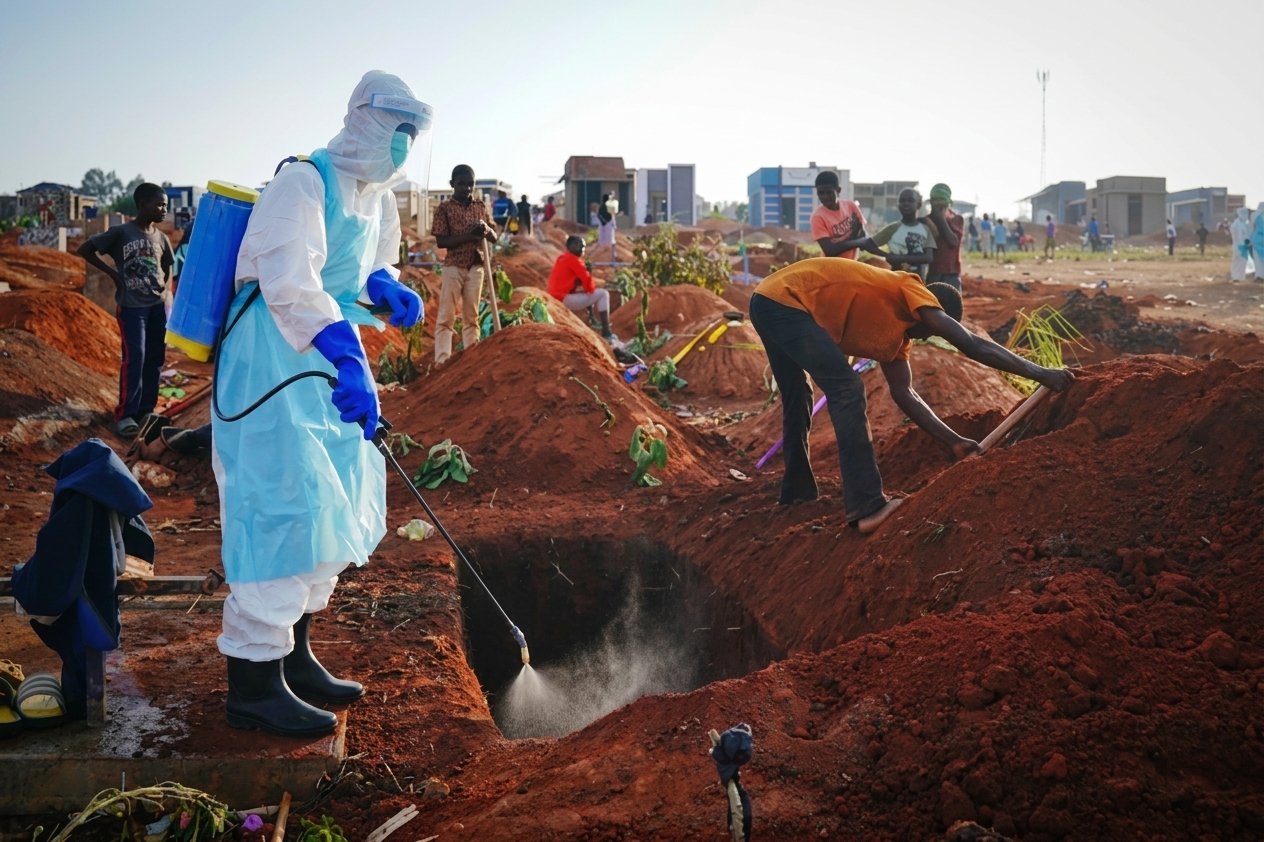
    The World Health Organization warned Thursday that the Ebola outbreak surging through the eastern Democratic Republic of Congo remains far from under control, as total confirmed cases passed 5,000 and national authorities reported more than 2,300 deaths.

    The outbreak, declared in mid-May, has become the deadliest Ebola emergency in the country’s history. Unlike previous surges driven by the Zaire strain, this outbreak involves the rarer Bundibugyo virus, for which no licensed vaccines or targeted antiviral treatments exist.

    “Transmission is outpacing our response capacity on the ground,” said Dr. Matshidiso Moeti, WHO Regional Director for Africa, during a briefing in Geneva. “Severe gaps in contact tracing, coupled with active conflict in Ituri and North Kivu, mean we are still chasing this virus rather than cutting off its chains of transmission.”

    Lack of Vaccines Complicates Containment

    Efforts to stall the pathogen have hit severe operational bottlenecks. Existing stockpiles of the Ervebo vaccine, which proved effective in combating the 2018–2020 Zaire strain outbreak, offer no protection against the Bundibugyo species. While human clinical trials for candidate vaccines were fast-tracked in the United Kingdom and Canada earlier this month, none are cleared for field deployment.

    That leaves public health workers reliant entirely on fundamental barrier measures: rapid isolation, contact tracing, supportive clinical care, and safe burial practices.

    Data released by the WHO Regional Office for Africa shows 5,021 confirmed cases and 2,378 deaths across 55 health zones in six eastern provinces. Over 80% of all reported cases remain concentrated in Ituri province, where ongoing violence by armed non-state groups has repeatedly forced emergency response teams to halt contact tracing and community outreach.

    Health Facilities Overwhelmed

    The sheer volume of patients has stretched local medical infrastructure past its limits. In North Kivu, treatment center bed occupancy rates reached 139% earlier this month, forcing field doctors to set up temporary isolation tents in hospital courtyards.

    “We are seeing patients arrive at treatment centers late in the course of their illness,” said Dr. Jean-Jacques Muyembe, head of the DRC’s National Institute for Biomedical Research. “When isolation centers run out of beds, home care increases, and that drastically raises the risk of household transmission.”

    Contact tracing follow-up across affected health zones currently sits at roughly 82%—well short of the 95% threshold epidemiologists consider essential to suppress a major filovirus outbreak.

    Uganda, which reported 20 cases and two deaths tied to cross-border movement early in the surge, declared its domestic outbreak over on July 28 after completing 42 days with no new transmission. But international health officials stress that as long as the epidemic burns unchecked across eastern Congo, the risk of wider regional re-seeding remains dangerously elevated.