Category: Markets

  • Naira Holds Steady at N1,350 to Dollar as FX Liquidity Improves

    Naira Holds Steady at N1,350 to Dollar as FX Liquidity Improves

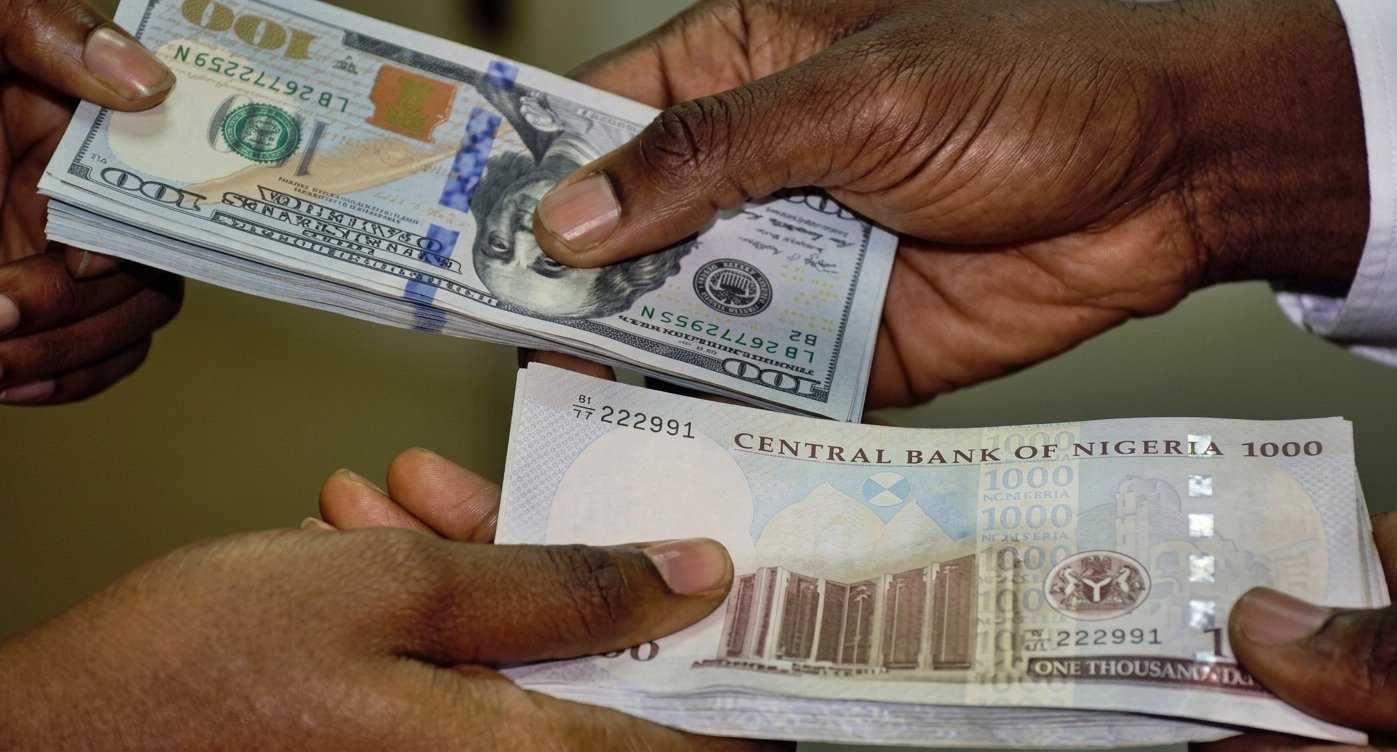
    The Nigerian naira held steady near four-month highs against the United States dollar on Tuesday, August 18, 2026, driven by sustained dollar liquidity and firmer central bank interventions.

    Official data from the Central Bank of Nigeria (CBN) showed the currency closed at N1,350 per dollar at the official Nigerian Foreign Exchange Market (NFEM) on Monday evening. That marked an 8.25 naira gain from N1,358.25 recorded on Friday, August 14.

    Monday’s closing figure represents the naira’s strongest official performance since April 22. Early morning spot trading on Tuesday mirrored that firmness, with live exchange sources pricing the dollar near N1,352.

    Parallel market operators in Lagos and Abuja quoted buying rates around N1,407 and selling prices at N1,420 per dollar on Tuesday morning.

    The spread between official and street rates currently stands at roughly 5.2 percent, or N70. Individual transactions in the unofficial market require about N1.42 million to secure $1,000.

    Commercial traders attribute the currency’s steadying path over recent trading sessions to improved supply in formal channels. Central bank inflows and sustained export proceeds helped absorb demand pressure from commercial importers entering the third quarter.

    Currency dealers expect spot rates to track crude oil revenues and foreign portfolio flows through the remainder of the week. Market focus remains centered on whether the CBN will introduce additional liquidity measures to compress the remaining parallel market premium

  • Global Markets Stiffen as Fed Hints at “Higher for Longer”

    Global Markets Stiffen as Fed Hints at “Higher for Longer”

    NEW YORK — Global markets reacted sharply today after the Federal Reserve released minutes from its latest monetary policy meeting. The notes revealed an increasingly hawkish consensus among FOMC members, who emphasized that inflation targets remain sticky and interest rates may need to remain elevated for the foreseeable future.

    The S&P 500 slumped by 1.8%, while the Nasdaq 100 closed 2.4% lower as tech growth stocks bore the brunt of interest rate anxieties. The yield on the US 10-year Treasury note—a global benchmark for borrowing costs—climbed to 4.82%, its highest level since late last year.

    “The Fed is sending a clear signal that it is not in a rush to ease monetary constraints,” said David Pilling, Global Editor at Large. “Strong employment numbers and sticky services sector wages have prevented core inflation from falling back to the 2.0% target. Central banks globally, including the European Central Bank and Bank of England, are caught in a synchronization loop, forced to match high rates to protect their own currency values.”

    For emerging markets, the prospect of high US interest rates is particularly challenging. A stronger US Dollar raises the cost of servicing USD-denominated sovereign debt and accelerates capital outflows as investors chase risk-free yields in Treasury bills.

    Economists are increasingly divided. Some argue the US economy can handle the tightening, pointing to robust consumer spending. Others warn that the lag effect of monetary policy has yet to fully hit corporate balance sheets, increasing the risk of a credit crunch later in the year. The upcoming CPI data release next week will be the next major test of market direction.